
La Cabalgata de la Amistad in La Misión

La Cabalgata de la Amistad in La Misión is one of those days when the village feels completely alive: horses and trailers on the roads, music at the rodeo grounds, and riders of all ages heading out together across river, estuary, beach, and mesa. It is part celebration, part tradition, and part love letter to the ranching culture that still defines this corner of northern Baja California.

A day when La Misión saddles up

Once a year, usually around mid‑February, La Misión hosts La Cabalgata de la Amistad – the “Friendship Ride” – a community cabalgata that brings together local residents, neighboring ranches, and visitors from Rosarito, Ensenada, Tijuana, Tecate, and beyond. A cabalgata is not a race; it is a group trail ride on horseback at a relaxed pace, focused on camaraderie and shared experience rather than competition. Riders gather early at the town’s rodeo grounds, where trailers line up, horses are saddled, and friends greet each other over coffee, tacos, and last‑minute tack checks.

Before the group heads out, there is a traditional roll call: riders circle the arena while names, ranches, or groups are called, and the growing column of horses gives a sense of just how many people have come to ride together. It is common for several dozen to well over a hundred riders to take part, from seasoned vaqueros in full working gear to young riders proudly joining their first big cabalgata.

The route: river, estuary, beach, and mesa

For local riders, the route of La Cabalgata de la Amistad is familiar country; for visitors, it is one of the best introductions to the real landscape of La Misión. Leaving the rodeo grounds, the group winds through sandy tracks and estuary trails, moving gradually toward the river that has shaped this valley for centuries. Depending on the year’s rainfall, the La Misión river may be an easy crossing or a chest‑deep wade, and there is always a moment of anticipation as the first horses step into the current.

On the far bank, the cabalgata continues toward the beach, where riders spread out across the sand and some horses splash playfully in the surf while others keep a wary distance from the waves. The ride then climbs up toward the surrounding mesa, revealing wide views of the valley, the estuary, and the Pacific Ocean, with cattle grazing in the distance and the village laid out below. The entire outing typically lasts several hours and includes pauses to rest, talk, adjust saddles, and share food and drinks, often with a support vehicle following along the route.

Tradition, culture, and a living ranching community

La Cabalgata de la Amistad is part of a much older regional tradition. Across Baja California, cabalgatas developed as festive rides in which ranchers and families would travel together between missions, towns, and ranchos, picking up more riders along the way and celebrating at each stop. In La Misión, that heritage is woven together with the history of the mission of San Miguel Arcángel, the Kumeyaay people, and the modern Fiesta en La Misión, a larger annual festival that honors the town’s past and present.

Today, La Misión is officially recognized as the birthplace of the regional baile calabaceado, a lively cowboy dance that grew out of vaqueros celebrating around a bonfire and mimicking the movements of animals in their steps. The same spirit runs through the cabalgata: a mix of pride in ranching roots, joy in riding good horses in open country, and a very Baja combination of music, food, and humor. For many families, bringing children on the cabalgata is a way to pass down this culture and keep horseback traditions alive in a fast‑changing world.

For residents: your village on display

If you live in La Misión, the cabalgata is one of the clearest reminders that you are in a working ranching community, not just a beach town off the toll road. Traffic patterns change, horses and trailers move through the streets, and the rodeo grounds and surrounding roads become a temporary hub of activity. Even if you do not ride, you will likely hear the music, see the riders heading to the river and beach, and feel the village shift into a more festive gear.

For residents who are curious about participating, local ranches and horseback operators offer guided rides year‑round on similar routes – through the estuary and along the beach – and can help assess whether a full‑length cabalgata is a good fit for your riding experience. Many experienced neighbors are also happy to talk through what to expect in terms of horse handling, terrain, and time commitment.

For visitors: an invitation into real Baja

For visitors, La Cabalgata de la Amistad offers a glimpse of Baja that you will not find from the highway or a resort balcony. Watching the riders cross the river, pass along the beach, or climb toward the mesa gives a sense of the deep bond between people, horses, and landscape that still defines this region. If your trip does not coincide with the cabalgata, you can still experience much of the same terrain on a guided ride with local stables, which typically offer small‑group outings through the estuary and onto the beach with well‑trained, well‑cared‑for horses.

Whether you are a long‑time resident or a first‑time visitor, La Cabalgata de la Amistad is an invitation: to step a little closer to the heart of La Misión, to appreciate the people who keep its traditions alive, and to see this valley and coastline at the pace of a horse’s walk.

Festival del Centro Histórico

The Festival del Centro Histórico in Tijuana is a vibrant cultural celebration held annually in the heart of the city's historic district, usually as part of the larger Festival de Octubre. This event transforms the Centro Histórico into a lively cultural hub where residents and visitors alike come together to celebrate Baja California’s rich heritage through music, dance, art, and community activities.

A highlight of the festival is the "Tardes de Danzón," a traditional dance event that takes place on the streets, inviting participants to experience the rhythm and elegance of this beloved Mexican dance style. The festival features live performances ranging from traditional danzón to contemporary music, giving attendees a chance to enjoy a diverse musical lineup that highlights local talent and cultural traditions. It’s a family-friendly event, welcoming people of all ages to immerse themselves in the festive atmosphere.

In addition to dance and music, the Festival del Centro Histórico showcases art exhibitions, artisan markets, food vendors, and workshops, creating an engaging space for cultural exchange and community bonding. The festival often features themed events and tributes to influential artists such as Juan Gabriel, adding a heartfelt connection to Mexico’s musical legacy.

Taking place mostly in October, with key activities around mid-October to late October, the festival draws on the historic charm of Tijuana’s Centro Histórico, including Avenida Revolución and Calle Séptima, where much of the activity centers. These streets become vibrant with colorful decorations, live stages, and a welcoming crowd eager to celebrate and preserve the city's cultural identity.

The Festival del Centro Histórico serves not only as entertainment but also as an important platform for fostering community pride and cultural preservation. It supports local artisans, musicians, and cultural organizations by providing a public stage for their work and encouraging engagement with Baja California’s diverse cultural landscape. The event’s free admission makes it accessible, encouraging broad participation from all sectors of the community.

In summary, the Festival del Centro Histórico in Tijuana is an enriching cultural experience that blends traditional music and dance with modern artistic expressions. It celebrates the area’s history while fostering community togetherness, offering memorable moments for visitors and residents through lively performances, artistic showcases, and festive street celebrations.

This festival exemplifies the spirit of Baja California, connecting its people and history through a joyful celebration of the arts and culture in the historic heart of Tijuana. If planning to visit Baja California in October, attending this festival offers an authentic and engaging glimpse into the region’s vibrant cultural soul.

Fiesta in La Misión

Fiesta in La Misión

Baja California - The beginning of time.

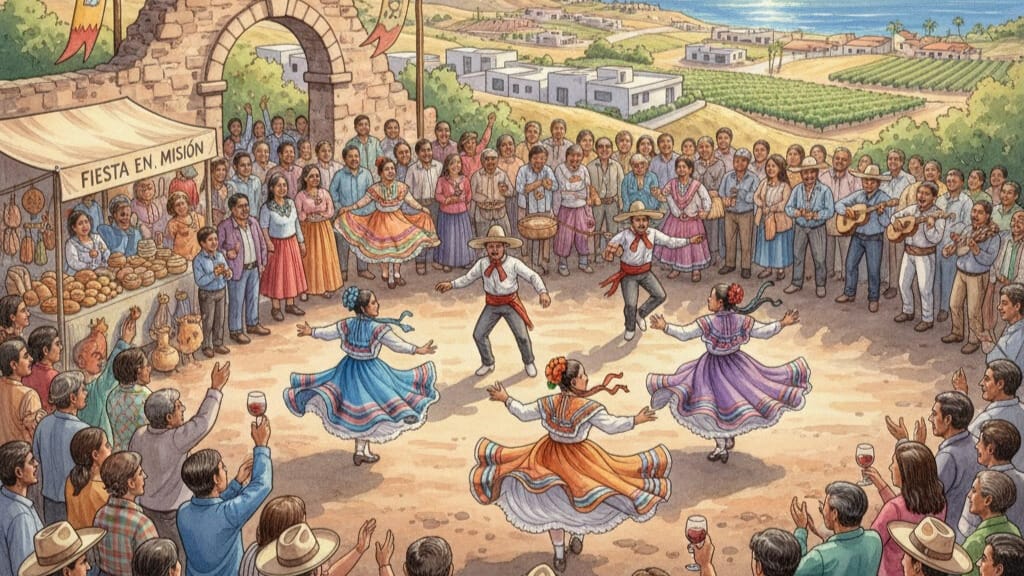
Fiesta en La Misión: A Two-Day Celebration of Heritage, Identity, and Community

Every year on the last weekend of May, La Misión throws open its doors and delivers a festival that’s unapologetically rooted in who this community is and where it comes from. Fiesta en La Misión isn’t a glossy, manufactured event. It’s a free, two-day public celebration built on history, culture, and the shared identity of a coastal town that refuses to forget its origins. Locals show up because it’s part of their DNA. Visitors show up because it’s authentic, vibrant, and nothing about it feels staged. It’s a living snapshot of northern Baja California’s past and present—loud, proud, and fully alive.

At its core, the Fiesta centers on the deep historical layers that define La Misión. This is a community shaped by its ranching legacy, its cowboy culture, and its relationship with the Kumiai people, whose ancestral presence in the region predates the missions, the ranchos, and the modern borders that arrived later. Instead of reducing those influences to token mentions, Fiesta en La Misión brings them to the front of the stage. The result is a celebration that actually reflects the land it stands on.

The signature event is the parade, and it sets the tone for everything else. Decorated floats—some elaborately built, others charmingly homemade—roll through the town’s main corridor. Ranching families, local schools, cultural organizations, and longstanding community groups all contribute entries that are both expressive and competitive. You’ll see traditional costumes, hand-painted banners, horses outfitted with polished saddles, and riders who take the tradition seriously. It’s not performative nostalgia; it’s a visible lineage of the vaquero culture that still runs through this area. The parade always draws crowds early, because people know it’s one of the best places to see the real local character on display.

Live music follows almost nonstop. The bands range from regional Mexican groups to contemporary performers, depending on the year’s lineup, but the pattern is consistent: high energy, community participation, and plenty of dancing. There’s no dividing line between audience and performers. Kids dance, older residents dance, visitors get pulled in whether they intended to or not. The festival grounds usually run two stages or staggered sets so the sound never really dies down. Dance groups fill the gaps, and these presentations often carry more cultural weight than the casual observer might expect. Folklórico troupes, Kumiai dancers, youth groups, and local instructors put in months of work for these performances. They're not filler—they carry the stories of their respective traditions.

Cultural presentations are another anchor. These sessions vary year by year, but they often include talks, demonstrations, or curated showcases that unpack La Misión’s long historical arc—from pre-colonial Kumiai life to mission-era developments to the ranching era and beyond. For visitors who only see the beaches and the hillsides, these presentations provide a structural understanding of how this community formed and why its identity looks the way it does. It’s common to see local artisans and elders involved, especially those who want to preserve skills and stories that risk being overshadowed by modern development pressures.

One of the consistent threads throughout Fiesta en La Misión is the open acknowledgment of the Kumiai community. Their presence isn’t ceremonial; it’s foundational. The festival gives space to cultural representatives to share dances, crafts, language elements, and teaching moments that connect today’s residents and tourists to the original stewards of this land. This emphasis on authenticity keeps the event grounded. Without it, Fiesta en La Misión would lose the cultural backbone that makes it different from typical regional festivals.

Visitors looking for more than spectating get plenty of options. Horseback riding along La Misión’s beaches is one of the standout experiences. It fits naturally with the vaquero heritage celebrated during the festival, but it also offers a direct connection to the coastal landscape itself. The beaches are wide, the views are uninterrupted, and the experience feels tied to the history the festival highlights. Some riders schedule early morning sessions to catch sunrise; others prefer late afternoon rides when the light drops and the scenery turns dramatic. Either way, it’s one of the simplest ways to participate in the spirit of the place rather than just observe it.

Kayaking in the estuary adds another layer. The Río Guadalupe Estuary is one of the region’s most distinctive natural features, and paddling through it gives you a different perspective on La Misión. The waterway brings you close to local wildlife, changing tides, and pockets of calm that contrast sharply with the high-energy environment of the festival grounds. Many visitors time their kayaking around the festival schedule—music in the afternoon, exploration in the morning. It’s a smart way to experience the full range of what the area offers.

Food vendors, local craftspeople, and small businesses round out the environment. You’ll find traditional dishes, regional specialties, and home-style cooking that reflects the mixed heritage of the community. The artisan stalls tend to highlight handmade goods—woodwork, leatherwork, textiles, and Kumiai crafts among them. This isn’t generic tourist merchandise; much of it is produced locally by people who have been participating in the festival for years.

Ultimately, Fiesta en La Misión is a community claiming its identity in a direct and unapologetic way. It respects its past, showcases its living traditions, and invites anyone—locals, expats, tourists—to step into that mix for a weekend. The scale isn’t massive, but the cultural density is. If you want the polished, corporate festival experience, look elsewhere. If you want something real, rooted, and culturally coherent, this is one of the most worthwhile events in northern Baja.

The last weekend in May is marked on the calendar for a reason. The community shows up. The culture comes alive. And the story of La Misión is told in the way that matters most—through the people who live it.